Industrial IoT Security: Bridging the OT/IT Divide to Safeguard Modern Factories
Explore the critical security challenges and cutting-edge solutions for Industrial IoT (IIoT) as factory floors converge with corporate networks. Learn how to protect your operations.
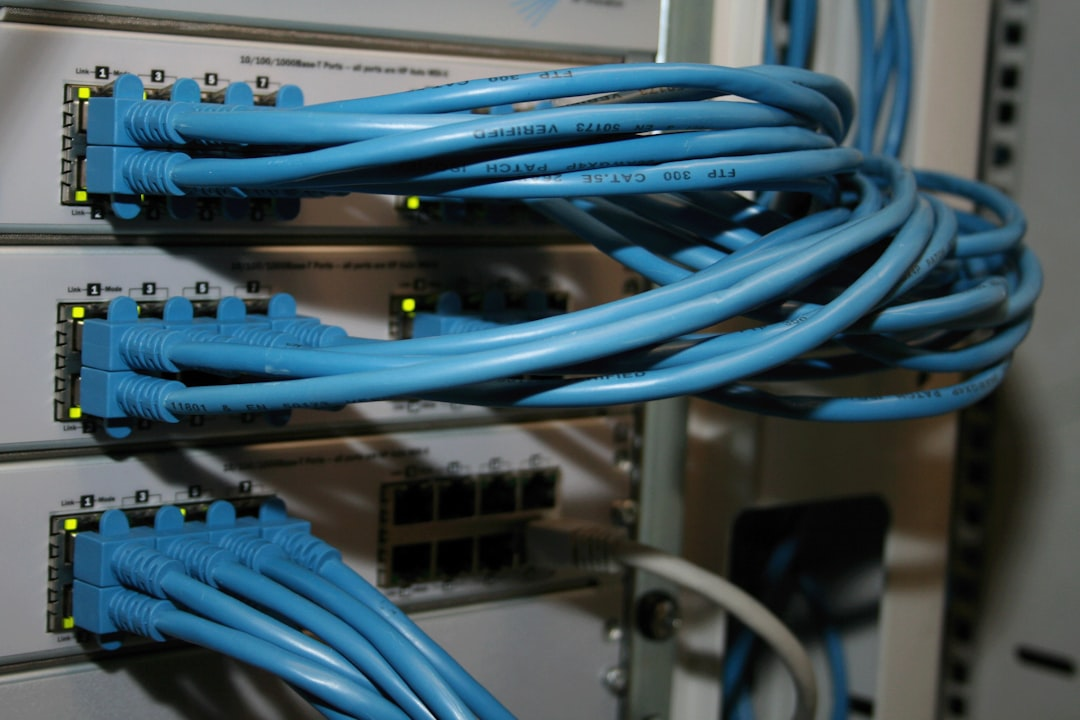
The hum of machinery, the rhythmic whir of robotic arms, the intricate dance of automation – modern factories are wonders of engineering efficiency. But beneath this surface of productivity lies a growing vulnerability: the convergence of Operational Technology (OT) and Information Technology (IT) networks. This isn’t just a technical upgrade; it’s a profound transformation that, if not secured properly, could turn your advanced manufacturing facility into a high-value target for cyber attackers. 🔐
At Obsqura, we believe that understanding is the first line of defense. Today, we’re diving deep into the intricate world of Industrial IoT (IIoT) security, exploring how to protect your most critical assets where the factory floor meets the corporate network. You’ll learn about the latest threats, practical strategies, and cutting-edge solutions to ensure your operations remain secure and resilient in an increasingly interconnected world.
The Blurring Lines: Understanding OT/IT Convergence and Its Risks ⚡
For decades, OT systems – the controllers, sensors, and actuators that directly manage industrial processes – operated in isolated “air-gapped” environments. IT networks, handling business operations and data, ran separately. This clear separation offered a natural security boundary. However, the rise of the Industrial Internet of Things (IIoT) has shattered this traditional divide.
Today, smart sensors collect real-time data from machines, PLCs communicate with cloud-based analytics platforms, and predictive maintenance algorithms inform supply chain logistics. This convergence promises unprecedented efficiencies, enhanced decision-making, and significant cost savings. Imagine a factory where machines self-diagnose, order their own spare parts, and optimize production schedules based on real-time market demand. Such synergy is the promise of IT/OT convergence.
A recent Fortinet report indicates that over 73% of organizations experienced at least one intrusion into their OT environments in the past year (2024 data), highlighting the escalating threat. This isn’t theoretical; it’s happening now.
However, this newfound connectivity also introduces IT-borne threats directly into the heart of critical operational systems. A phishing email clicked in the corporate office could potentially open a backdoor to production lines. Ransomware, once an IT nightmare, now poses an existential threat to physical operations, capable of halting production, damaging equipment, or even endangering human lives. The infamous Colonial Pipeline attack in 2021, while not directly impacting OT systems at first, forced an OT shutdown due to IT system compromise, showcasing the severe ripple effects of IT/OT interdependence.
Unique Challenges of Securing IIoT Environments ⚠️
Securing IIoT isn’t simply “IT security for factories.” It presents a unique set of challenges that demand specialized approaches:
1. Legacy Systems and Lifecycles
Many OT environments still rely on decades-old hardware and software, some running obsolete operating systems like Windows XP or proprietary embedded OS. These systems were never designed with modern cybersecurity in mind, making them difficult, if not impossible, to patch regularly. Their long operational lifecycles (10-20+ years) mean they’ll remain vulnerable for the foreseeable future.
2. Real-Time Constraints and Availability
Unlike IT, where data confidentiality and integrity are paramount, OT’s primary concern is availability and safety. A network scan that might mildly inconvenience an IT server could destabilize a real-time control system, leading to production halts, equipment damage, or even catastrophic failure. Any security measure must not introduce latency or disrupt operations.
3. Proprietary Protocols and Devices
OT systems communicate using a myriad of proprietary protocols (e.g., Modbus, DNP3, OPC UA) and specialized devices not commonly found in IT networks. This makes traditional IT security tools ineffective for monitoring and securing these environments, often lacking visibility into industrial control processes.
4. Physical Safety Implications
A cyberattack on an IT network typically results in data loss or financial damage. An attack on an OT system, however, can have real-world physical consequences: explosions, chemical leaks, power outages, or mechanical failures, posing direct threats to human life and the environment.
Connecting an unpatched, legacy Programmable Logic Controller (PLC) directly to a corporate network without proper segmentation is akin to leaving the front door of your critical infrastructure wide open. It’s a grave risk that many organizations still unknowingly take.
A Multi-Layered Defense: Key Strategies for IIoT Security 🛡️
Protecting your converged OT/IT environment requires a holistic, multi-layered approach that prioritizes visibility, segmentation, and continuous monitoring.
1. Robust Network Segmentation and Zero Trust Principles
The cornerstone of IIoT security is strong network segmentation. The Purdue Enterprise Reference Architecture model provides a widely adopted framework for segmenting OT networks into distinct zones, with demilitarized zones (DMZs) acting as secure gateways between IT and OT. Implementing Zero Trust principles, where no user or device is inherently trusted regardless of their location, is crucial. This means strict authentication and authorization for all interactions, even within the OT network.
2. Comprehensive Asset Inventory and Visibility
You can’t protect what you don’t know you have. A complete and accurate inventory of all connected devices – from PLCs and RTUs to sensors and human-machine interfaces (HMIs) – is essential. This includes understanding their software versions, firmware, network connections, and criticality. Specialized OT security platforms can passively discover assets without impacting operations.
3. Vulnerability Management and Patching Strategy
Given the challenges with patching legacy OT systems, a pragmatic vulnerability management strategy is vital. This involves:
- Prioritizing critical assets: Focus patching efforts on the most critical systems first.
- Compensating controls: For unpatchable systems, implement compensating controls like micro-segmentation, intrusion detection systems (IDS), and strict access policies.
- Vendor coordination: Work closely with OT vendors for secure updates and advisories.
4. Anomaly Detection and Threat Intelligence
Traditional signature-based antivirus often falls short in OT environments. Instead, focus on behavioral anomaly detection. AI and Machine Learning-driven solutions can establish baselines of normal operational behavior and flag any deviations – be it unusual network traffic patterns, unauthorized commands, or abnormal process values. Integrating OT-specific threat intelligence keeps defenses current against emerging threats.
5. Identity and Access Management (IAM)
Implement strong IAM practices across both IT and OT domains. This includes multi-factor authentication (MFA) for all remote access and privileged accounts, role-based access control (RBAC) to limit user permissions, and regular auditing of access logs.
Neglecting strong IAM for privileged access to OT systems is a direct invitation for attackers. Compromised credentials are a leading cause of breaches, and in OT, they can lead to physical sabotage.
6. Incident Response Planning Tailored for OT
Develop and regularly test an incident response plan specifically designed for OT environments. This plan should include procedures for safely shutting down processes, preserving forensic evidence without disrupting critical operations, and restoring systems efficiently. Training both IT and OT teams on this plan is non-negotiable.
Comparing IT vs. OT Security Priorities
| Feature | Traditional IT Security | Industrial IoT (OT) Security |
|---|---|---|
| Primary Goal | Confidentiality, Integrity, Availability (CIA) | Availability, Integrity, Confidentiality (AIC) & Safety |
| System Lifecycles | Shorter (3-5 years) | Longer (10-20+ years) |
| Latency Tolerance | Moderate | Very Low (real-time operations) |
| Patching Frequency | Regular, often automated | Infrequent, often manual, requires downtime |
| Protocols | TCP/IP, HTTP, FTP, etc. | Modbus, DNP3, OPC UA, EtherNet/IP, proprietary |
| Impact of Breach | Data loss, financial, reputational | Physical damage, safety hazard, environmental, production halt |
Practical Example: Implementing a Segmented Firewall Rule
To illustrate segmentation, consider a simple firewall rule that isolates an IIoT control segment (Level 1 in Purdue Model) from the manufacturing execution system (MES) segment (Level 3).
1
2
3
4
5
6
7
8
9
10
11
12
13
14
15
16
17
18
19
20
# Example: Hypothetical Firewall Rule on a next-gen firewall
# This is conceptual; actual syntax varies by vendor (e.g., Palo Alto, Fortinet)

# Rule Name: Deny_IT_to_OT_Direct
# Source Zone: IT_Network_Zone
# Destination Zone: OT_Control_Zone
# Source IP: Any
# Destination IP: Any (or specific OT asset IPs)
# Application: Any (or specific IT protocols like SMB, RDP)
# Action: DENY
# Log: Yes

# Rule Name: Allow_MES_to_OT_Historian
# Source Zone: MES_Zone
# Destination Zone: OT_Data_Historian_Zone
# Source IP: Specific MES server IP
# Destination IP: Specific Historian server IP
# Application: OPC UA, MSSQL (specific ports/protocols for data collection)
# Action: ALLOW
# Log: Yes
This pseudo-code demonstrates the principle: block everything by default, and only explicitly allow necessary, least-privilege communication paths. Modern firewalls allow for application-level filtering specific to OT protocols.
The Human Factor & Regulatory Landscape 💡
Technology alone isn’t enough. People and processes play an equally critical role in securing IIoT environments.
Cross-Functional Collaboration and Training
Effective IIoT security requires close collaboration between IT and OT teams, who historically have operated in silos. IT brings cybersecurity expertise, while OT understands the criticality and nuances of industrial processes. Regular cross-training sessions are essential to foster a shared understanding of risks and responsibilities.
Navigating the Regulatory Landscape
Adherence to established frameworks and standards provides a roadmap for robust security. Key frameworks include:
- NIST Cybersecurity Framework (CSF): A flexible, risk-based approach applicable across sectors.
- IEC 62443: A series of international standards focused specifically on cybersecurity for industrial automation and control systems (IACS).
- CISA’s Cross-Sector Cybersecurity Performance Goals (CPGs): Offer practical steps for critical infrastructure owners and operators to reduce immediate cyber risks. Learn more about CISA CPGs
Key Takeaways ✅
- OT/IT Convergence is Inevitable: Embrace the benefits but acknowledge the expanded attack surface.
- Security is Paramount for Safety: Attacks on OT can have severe physical and human consequences.
- Segmentation is Your Shield: Isolate critical OT systems from broader networks using Zero Trust principles.
- Visibility is Key: You can’t protect what you can’t see. Invest in specialized OT asset discovery and monitoring tools.
- People and Processes Matter: Foster IT/OT collaboration and align with industry-leading security frameworks like NIST CSF and IEC 62443.
Conclusion 🚀
The digital transformation of industrial operations is a journey, not a destination. As factories become smarter, more interconnected, and more reliant on real-time data, the stakes for cybersecurity have never been higher. Proactive, intelligent, and layered security is no longer an option but a critical imperative for business continuity, safety, and competitive advantage.
Don’t wait for an incident to expose your vulnerabilities. Start your IIoT security journey today by assessing your risks, segmenting your networks, and empowering your teams. The future of manufacturing depends on it.
—Mr. Xploit 🛡️