Beyond the OS: Securing Your System from the Ground Up with Secure Boot and TPM
Dive deep into how Secure Boot and TPM fortify your system against sophisticated rootkits and firmware attacks, creating an unshakeable hardware root of trust.
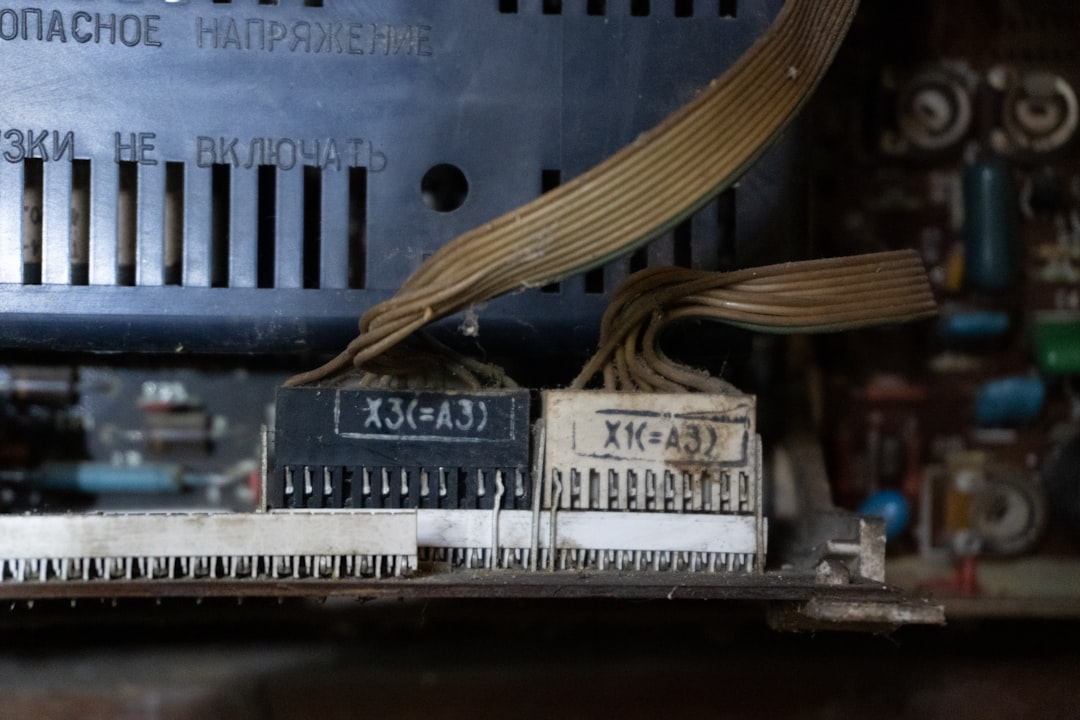
In an era where cyber threats are growing ever more sophisticated, targeting not just your applications but the very foundation of your computing environment, traditional software-based defenses are no longer enough. What if attackers could compromise your system before the operating system even loads? 😱 This isn’t a hypothetical fear; it’s a stark reality that demands a deeper layer of protection.
Today, we’re unmasking the guardians of your boot process: Secure Boot and the Trusted Platform Module (TPM). We’ll explore how these powerful technologies establish a Hardware Root of Trust, building an unshakeable foundation for your digital security, and why understanding them is crucial now more than ever.
The Boot Process: A Critical Vulnerability Frontier 🛡️
Imagine the boot-up sequence of your computer as a meticulously choreographed dance. Before your familiar operating system (OS) interface appears, a complex chain of software components – firmware, bootloaders, and drivers – must execute flawlessly. This sequence, often overlooked, is a prime target for advanced adversaries.
Historically, this pre-OS environment has been a soft underbelly, vulnerable to bootkits and rootkits. These malicious programs can embed themselves deep within the boot chain, gaining privileged access that bypasses virtually all OS-level security. Once rooted, they can steal data, install backdoors, or even corrupt your entire system without detection. The rise of sophisticated firmware attacks, as highlighted by recent CISA warnings on UEFI vulnerabilities impacting various vendors, underscores the urgency of fortifying this critical stage. A compromised boot process means a compromised system, regardless of how strong your antivirus is.
UEFI and Secure Boot: Guarding the Gates 🔐
Enter UEFI (Unified Extensible Firmware Interface), the modern successor to the archaic BIOS. UEFI offers a more advanced, flexible, and extensible interface for system firmware, providing features crucial for today’s complex hardware and software ecosystems. But its most impactful security feature, particularly in the fight against boot-time malware, is Secure Boot.
Secure Boot is a UEFI protocol that ensures only authenticated and signed software can run during the boot process. It works by establishing a chain of trust:
- Firmware Checks: The UEFI firmware contains a database of trusted digital signatures (stored in the system’s NVRAM, often managed by the TPM).
- Bootloader Verification: When the system starts, UEFI first verifies the signature of the bootloader (e.g., GRUB for Linux, Windows Boot Manager). If the bootloader’s signature matches a trusted entry in the database, it’s allowed to execute.
- OS Kernel Verification: The bootloader then verifies the signature of the OS kernel. This process continues, verifying each critical component of the boot path.
- Policy Enforcement: If any component in this chain is found to have an invalid or untrusted signature, Secure Boot will halt the boot process, preventing potentially malicious code from executing.
Tip: On Windows, you can check your Secure Boot status by typing msinfo32 in the Run dialog and looking for “Secure Boot State” under System Summary. For Linux, tools like bootctl status or examining dmesg output can provide insights.
In 2024-2025, with a projected 90% of new enterprise devices shipping with Secure Boot enabled by default, this feature is becoming a cornerstone of endpoint protection. This widespread adoption, driven by OS requirements like Windows 11, makes it harder for malicious actors to leverage insecure boot paths.
1
2
3
4
5
6
7
# Example: Checking Secure Boot status on a Linux system
$ mokutil --sb-state
SecureBoot enabled

# Example: Checking dmesg output for Secure Boot entries
$ dmesg | grep "Secure Boot"
[    0.000000] Kernel is locked down from Secure Boot
Trusted Platform Module (TPM): The Unassailable Vault 🔒
While Secure Boot ensures the integrity of the software during boot, the Trusted Platform Module (TPM) is a dedicated cryptographic coprocessor, a physical hardware chip, that provides tamper-resistant security functions. Think of it as a Fort Knox for your cryptographic keys and measurements.
Key functionalities of a TPM include:
- Cryptographic Operations: It can generate, store, and protect cryptographic keys more securely than software alone.
- Platform Integrity Checks (Measured Boot): The TPM takes measurements (cryptographic hashes) of critical boot components (UEFI firmware, bootloader, OS kernel, drivers) and stores them in special registers called Platform Configuration Registers (PCRs). These measurements are taken before the components execute.
- Secure Storage: It can store certificates, passwords, and other sensitive data in a way that is resistant to software attacks and physical tampering.
- Attestation: The TPM can cryptographically prove the integrity of a system to a remote party, verifying that the system booted into an expected, untampered state.
Warning: While the TPM is highly resistant to software attacks, physical attacks can still pose a risk if an attacker gains direct access to the hardware. Always protect your physical devices!
Most modern systems ship with TPM 2.0, which offers significant improvements over its predecessor, TPM 1.2, including more flexible algorithms (e.g., SHA-256) and a more robust architecture. BitLocker in Windows, for example, heavily relies on the TPM to store encryption keys, ensuring that your disk remains encrypted unless the system boots in an expected configuration. This seamless integration makes data theft via direct disk access incredibly difficult. According to a 2024 industry report, over 75% of new enterprise PCs are now leveraging TPM 2.0 for enhanced data and boot integrity.
Hardware Root of Trust: The Foundation of Digital Security 💡
The true power emerges when Secure Boot and TPM work in concert to establish a Hardware Root of Trust (HRoT). An HRoT is a source of trust that, by definition, cannot be compromised. It’s the immutable starting point from which all subsequent trust is derived.
Here’s how they build it together:
- Immutable Start: The TPM’s initial state and cryptographic capabilities are established at the silicon level, making it the bedrock.
- Measured Boot: The TPM measures the initial firmware components.
- Secure Boot Verification: The UEFI firmware, protected by these initial measurements and its own secure boot mechanisms, then verifies the integrity of the bootloader.
- Chain of Trust: This process continues, with each verified component being measured by the TPM and/or cryptographically verified by the preceding trusted component, extending the chain of trust from the hardware all the way up to the OS.
Further Info: The concept of a “Measured Boot” is distinct from “Secure Boot.” Secure Boot prevents untrusted code from running, while Measured Boot records what code ran, allowing for later verification (attestation).
This combination provides a robust defense against advanced persistent threats (APTs) and firmware attacks. If an attacker tries to inject malicious code into the bootloader, Secure Boot will block it. If they manage to subtly alter a system component, the TPM’s measured boot records will indicate a deviation, potentially triggering an alert or preventing the system from decrypting data (e.g., via BitLocker). This “trust by verification” model is fundamental to modern zero-trust architectures, where every component’s integrity is continually validated. The synergy between Secure Boot and TPM is critical for securing everything from cloud infrastructure to IoT devices, ensuring that the initial state of every system is verifiably secure.
Key Takeaways 🚀
- Firmware is a Prime Target: The pre-OS boot process is a critical attack vector for sophisticated rootkits and firmware exploits.
- Secure Boot Prevents Malicious Code: It’s a UEFI feature that ensures only digitally signed and trusted software can execute during startup, blocking unauthorized bootloaders and kernels.
- TPM Provides Hardware-Backed Security: This dedicated chip performs cryptographic operations, stores keys securely, and takes immutable “measurements” of the boot process.
- Hardware Root of Trust (HRoT) is Paramount: Secure Boot and TPM combine to create a foundational HRoT, ensuring system integrity from the very first instruction.
- Essential for Modern Security: These technologies are crucial for data encryption, remote attestation, and bolstering defenses against evolving cyber threats, making them non-negotiable for enterprise and personal security in 2026 and beyond.
Conclusion ✅
The digital battleground is constantly shifting, with adversaries digging deeper into the layers of our computing systems. Relying solely on software-level security is akin to guarding the front door while leaving the foundation exposed. By embracing and understanding technologies like Secure Boot and the Trusted Platform Module, we’re not just adding another layer of defense; we’re establishing an unshakeable Hardware Root of Trust. This foundational security ensures that your system starts in a known, trusted state, making it exponentially harder for even the most advanced threats to take hold.
Are your systems truly secure from the ground up? It’s time to check. —Mr. Xploit 🛡️