Why I Chose Cybersecurity: A Student’s Journey into the Cybersecurity Field

Introduction: Choosing a Career in the Digital Age
In today’s digital world, technology is deeply integrated into every aspect of our lives. From online banking and social media to cloud infrastructure and smart devices, everything relies on digital systems. With this rapid digital transformation comes an equally rapid rise in cyber threats. As a cybersecurity student, choosing to enter the cybersecurity field is not just a career decision but a responsibility to protect data, systems, and people in an increasingly connected world.
This blog reflects the mindset, motivation, and learning path of a student who decides to build a future in cybersecurity.
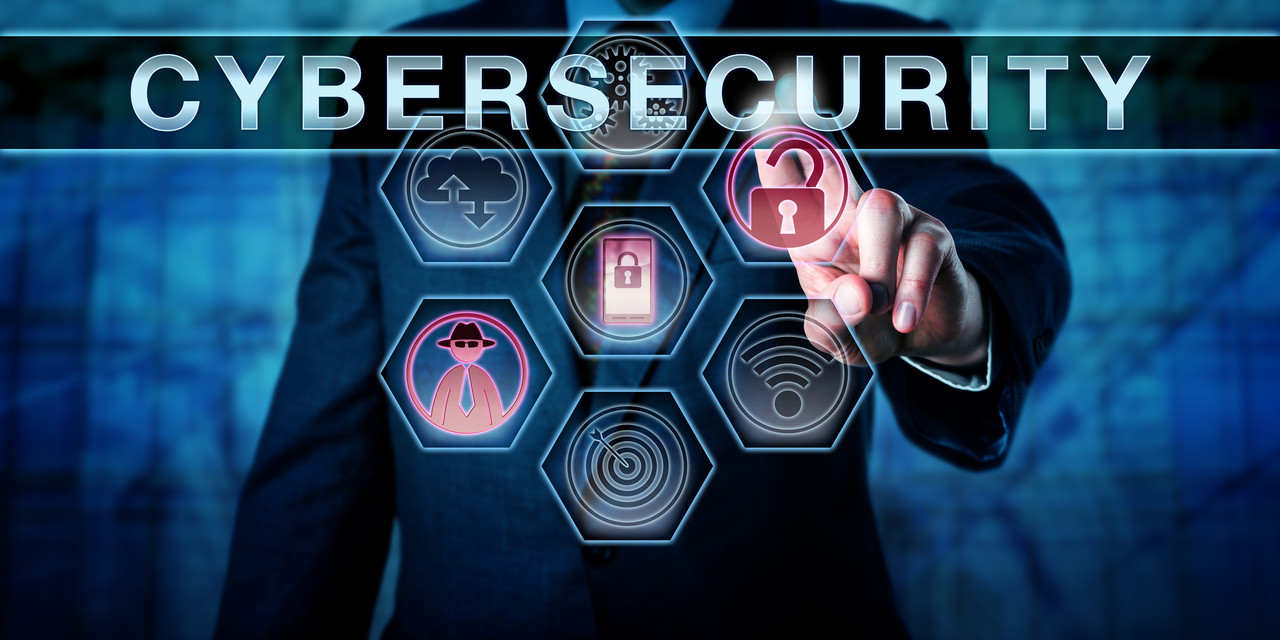
 A professional interacting with a security dashboard.
Understanding What Cybersecurity Really Is
Cybersecurity is often misunderstood as hacking alone, but in reality, it is a broad field focused on protecting systems, networks, and data from cyber attacks. It includes areas such as ethical hacking, network security, web security, malware analysis, digital forensics, cloud security, and incident response.
As a student, learning cybersecurity means understanding both how attacks happen and how defenses are built. It requires curiosity, analytical thinking, and a willingness to continuously learn, as threats and technologies evolve every day.
Why a Student Chooses the Cybersecurity Field
Many students are drawn to cybersecurity because it offers a mix of technology, problem-solving, and real-world impact. Unlike some fields where work remains behind the scenes, cybersecurity directly affects organizations, governments, and individuals. A single vulnerability can expose millions of users, while a single fix can prevent massive damage.
For a student, cybersecurity provides a sense of purpose. The field rewards skills over degrees alone, values hands-on experience, and encourages ethical responsibility. The idea of defending systems rather than exploiting them unethically becomes a strong motivation to grow in this domain.
 The critical role of ethical hacking in modern cybersecurity.
Starting the Cybersecurity Learning Journey
Entering the cybersecurity field as a student begins with building strong fundamentals. This includes understanding computer networks, operating systems like Linux, basic programming concepts, and how the internet works. Practical platforms such as labs, simulations, and hands-on challenges help convert theoretical knowledge into real skills.
A cybersecurity student quickly learns that reading alone is not enough. Real progress comes from practicing, breaking things in safe environments, analyzing mistakes, and learning from failures. This hands-on approach builds confidence and technical depth over time.
Developing the Right Cybersecurity Mindset
Cybersecurity is not just about tools; it is about mindset. A student entering this field must learn to think like both an attacker and a defender. This mindset involves questioning assumptions, paying attention to small details, and understanding that security is never absolute.
Patience and consistency play a major role. There are days when concepts feel overwhelming, commands fail, or labs do not work as expected. However, these challenges shape a cybersecurity student into a resilient problem solver who learns to stay calm under pressure.
 Continuous learning is fundamental to a cybersecurity mindset.
Ethical Responsibility in Cybersecurity
One of the most important lessons for a cybersecurity student is ethics. Having technical knowledge comes with responsibility. Ethical hacking and defensive security are about protecting systems, not abusing access. Understanding legal boundaries, following responsible disclosure practices, and respecting privacy are core values in this field.
Choosing cybersecurity means committing to ethical conduct while using technical skills for positive impact.
Career Opportunities in the Cybersecurity Field
The cybersecurity field offers diverse career paths for students, including roles such as security analyst, penetration tester, SOC analyst, incident responder, and cloud security engineer. With growing cyber threats, organizations across all industries require skilled professionals to secure their digital assets.
For students, this means long-term career stability, global opportunities, and continuous learning. Cybersecurity is one of the few fields where skill development never stops, making it ideal for those who enjoy growth and challenges.
 Exploring the viability of a career in cybersecurity.
Conclusion: A Journey of Continuous Learning and Growth
Becoming a cybersecurity professional starts with a single decision made as a student — the decision to learn, practice, and stay disciplined. The journey into the cybersecurity field is not easy, but it is rewarding. Every lab completed, every concept understood, and every mistake corrected brings a student closer to becoming a capable security professional.
Cybersecurity is not just a career; it is a mindset, a responsibility, and a lifelong learning journey. For students willing to stay curious and consistent, the cybersecurity field offers endless opportunities to grow and make a real impact.
 The future of cybersecurity is interactive and ever-evolving.
—Mr. Xploit 🛡️