The Digital Verdict: Navigating Cyber Forensics and the Admissibility of Evidence
Master the complexities of digital evidence admissibility. Learn the critical rules of chain of custody, expert testimony, and forensic standards for court.
Introduction
In the high-stakes world of modern litigation, a single line of code can be the difference between justice and a mistrial. As cyber threats evolve—shifting from traditional malware to sophisticated AI-driven social engineering and deepfake-based financial fraud—the legal system is playing a grueling game of catch-up. ⚖️
Are you prepared to ensure the digital artifacts you collect today will hold up under the harsh scrutiny of a courtroom tomorrow? In this guide, we dive deep into the protocols governing cyber forensics for legal proceedings. You will learn how to bridge the gap between technical data collection and legal admissibility, ensuring your evidence stands the test of time and cross-examination.
The Foundation of Integrity: Chain of Custody
The most technically accurate forensic image in the world is worthless if the court cannot prove its integrity. The Chain of Custody (CoC) is the chronological documentation that records the sequence of custody, control, transfer, analysis, and disposition of physical or electronic evidence. 🔐
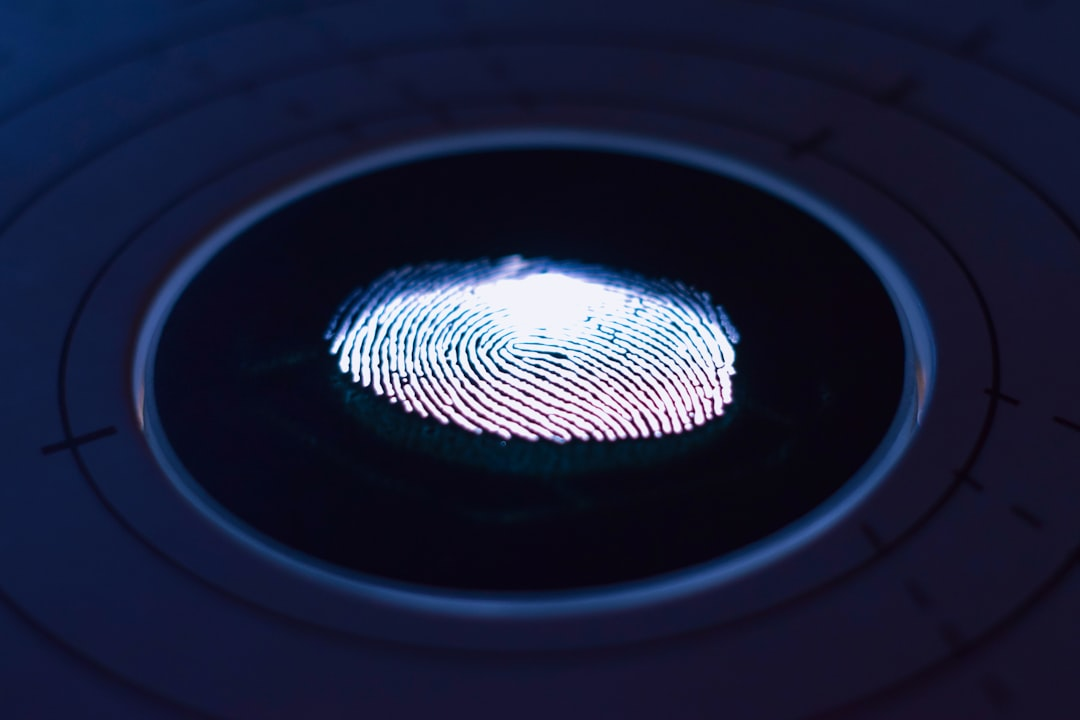
In the digital realm, once an item is collected, it must be cryptographically hashed (using SHA-256 or BLAKE3) to create a digital fingerprint. If even a single bit of the data changes—whether due to manual tampering or accidental system write-backs—the hash will change, effectively killing the evidence’s admissibility.
Always maintain a dual-witness protocol during evidence collection. Having a second person sign off on the creation of a forensic image provides an additional layer of non-repudiation in legal proceedings.
Documenting the Custody Path
- Identification: Clearly labeling the device (serial numbers, MAC addresses).
- Collection: Documenting the state of the device at the time of seizure (live vs. dead state).
- Preservation: Using write-blockers to prevent any alteration of the original media.
- Transfer: Maintaining a signed log of everyone who touched the evidence from the crime scene to the lab.
Forensic Standards and Legal Hurdles
The admissibility of digital evidence is primarily governed by standards that ensure scientific validity. In the United States, for example, the Daubert Standard serves as the benchmark. Courts ask: Has the theory been tested? Has it been peer-reviewed? What is the known error rate? 📊
Recent developments in 2025/2026 emphasize the “Repeatability” of forensic analysis. If an independent expert cannot arrive at the same conclusion using the same raw data and your methodology, your findings are likely to be deemed inadmissible.
| Standard | Focus Area | Impact on Evidence |
|---|---|---|
| NIST SP 800-86 | Forensic techniques | Provides the foundational guide for incident response |
| ISO/IEC 27037 | Digital evidence handling | International benchmark for identification and collection |
| Daubert | Courtroom admissibility | Ensures scientific rigor and peer validation |
Always document the specific software versions and hash algorithms used. A forensic report citing “a hash” is legally insufficient; it must specify the algorithm (e.g., “SHA-256 hash: [Value]”).
The Expert Witness: Bridging the Technical Gap
You might be a master of memory forensics, but can you explain a heap overflow to a judge who still uses a flip phone? The role of the Expert Witness is to translate complex technical jargon into clear, compelling testimony that aids the trier of fact. 💡
Requirements for the Expert
- Subject Matter Expertise: Deep knowledge of the specific forensic domain (e.g., cloud forensics, mobile data extraction, or network traffic analysis).
- Communication Skills: The ability to simplify technical concepts without sacrificing accuracy.
- Ethics and Impartiality: An expert must provide a neutral opinion based on the data, not advocate for a specific outcome.
Avoid “Expert Overreach.” Attempting to testify on legal matters outside of your forensic findings can lead to the disqualification of your entire testimony. Stay in your lane!
Emerging Trends: AI, Cloud, and Encrypted Data
The rapid proliferation of Encryption-as-a-Service and ephemeral cloud storage has created “dark zones” where evidence goes to die. Attackers now leverage AI-automated log deletion to cover their tracks, making forensic recovery increasingly difficult. ⚡
As of 2026, courts are beginning to accept “probabilistic forensics”—where AI tools estimate the likelihood of data authenticity. However, this remains a contentious area of law. If you are using AI-driven forensic tools, ensure they are explainable and that you can articulate exactly how the model reached its conclusion.
1
2
3
4
5
6
# Example: Using a forensic hash check to verify data integrity
# Always verify after cloning to avoid admissibility issues
sha256sum /dev/sdb1 > evidence_hash_original.txt
sha256sum /dev/sdc1 > evidence_hash_clone.txt
diff evidence_hash_original.txt evidence_hash_clone.txt
# If no output, the integrity is verified!
Never perform analysis on the “Original” evidence drive. Always create a clone (bit-stream image) and perform your analysis on the clone to protect the integrity of the primary source.
Key Takeaways
- Integrity is Paramount: Use cryptographic hashing at every step. If the hash doesn’t match, the evidence is compromised.
- Documentation is Evidence: If it isn’t written in the log, it didn’t happen. Maintain a meticulous Chain of Custody.
- Know the Legal Standards: Understand the Daubert standard or regional equivalents to ensure your methodology is court-ready.
- Simplify the Complex: Your job is to educate the court. Use analogies to explain forensic findings clearly.
- Stay Updated: Digital forensics evolves fast. Keep pace with NIST and CISA updates to maintain your professional credibility.
Conclusion
Cyber forensics is the bedrock of digital accountability. By mastering the strict requirements of chain of custody, adhering to rigorous forensic standards, and honing the art of expert testimony, you protect the sanctity of the digital truth. The battle for justice in the 21st century happens on hard drives and in the cloud—ensure you are ready to defend your findings under the brightest lights. 🚀
What is the biggest challenge you have faced regarding evidence preservation? Share your thoughts below, or reach out to our team at Obsqura for forensic consultation.
—Mr. Xploit 🛡️