The Silent Epidemic: Why Smishing Has Become the Cybercriminal’s Favorite Weapon
Discover the alarming rise of smishing attacks in 2026. Learn how to identify sophisticated mobile social engineering and protect your data from modern threats.
Introduction
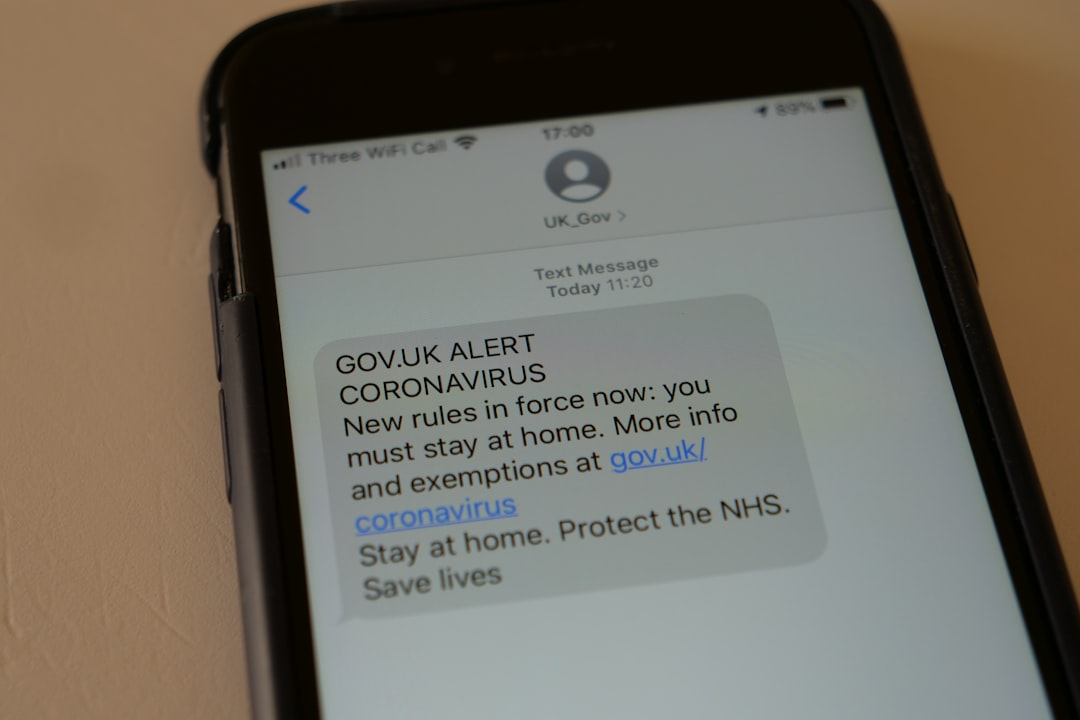
Imagine sitting at your desk, phone buzzing with a notification: “Your package delivery is pending due to an incomplete address. Update now to avoid return.” 📦 It feels urgent, personal, and perfectly timed. You click the link, and just like that, the barrier between your personal data and a global crime syndicate vanishes.
Welcome to the era of Smishing (SMS Phishing). While email phishing has been the “traditional” threat, mobile devices have become the new frontier for bad actors. With smartphone usage reaching near-universal saturation, cybercriminals have shifted their focus to the one device we never leave home without. In this post, we explore why smishing is surging, how it exploits human psychology, and the robust mobile threat defense strategies you need to survive in 2026.
The Evolution of the Scam: Why Smishing?
In previous years, phishing was synonymous with suspicious emails. Today, the landscape has shifted toward the “immediate” medium of SMS. Why the change? Because humans tend to trust text messages more than emails. We have been trained to be skeptical of unsolicited email, but a text feels intimate and “safe.”
The Psychology of Urgency
Smishing relies heavily on psychological triggers. By mimicking logistics companies (like FedEx or DHL), government tax departments, or even your bank, attackers create a “forced action” environment.
“Attackers don’t just want your password; they want your trust. By leveraging the intimacy of the mobile device, they bypass the critical thinking filters we apply to desktop environments.”
Recent Data Trends (2025-2026)
According to recent CISA mobile security bulletins, mobile-based social engineering has seen a 45% increase year-over-year. As organizations tighten their email gateways, threat actors have found that the “SMS-to-malware” pipeline is significantly less regulated by corporate IT departments.
Did you know? Many modern smishing campaigns now use “smishing-as-a-service” platforms that rotate phone numbers and URLs in real-time, making traditional blacklisting nearly ineffective.
The Mechanics of a Smishing Campaign
A typical smishing attack isn’t just a simple link. It is a multi-stage operation. Below is a breakdown of how these campaigns function in the wild:
- Reconnaissance: Attackers acquire phone number lists through data breaches or “scraping” services.
- The Hook: A personalized message is sent using spoofed sender IDs (e.g., showing “BANK-ALERT” instead of a raw number).
- The Redirect: The link leads to a high-fidelity phishing page. These pages are perfect clones of legitimate login portals.
- Data Exfiltration: Credentials, MFA codes, or personal identification data are captured.
Example: The “Missed Delivery” Scam
1
2
3
4
[SMS Notification]
USPS: We were unable to deliver your package (ID: 99821-X) due to a missing apartment number.
Please update your delivery preferences here:
hxxps://usps-delivery-update-service[.]com
Crucial Warning: Notice the URL. It uses a domain that sounds official but is not an usps.com address. Always check the root domain before clicking!
Mobile Threat Defense (MTD): The Modern Shield
Traditional antivirus is no longer enough. To combat smishing effectively, individuals and enterprises must adopt a Mobile Threat Defense (MTD) strategy.
Why MTD is Vital
Unlike legacy solutions, MTD provides:
- Web Protection: Real-time scanning of URLs to block known phishing sites at the network layer.
- Device Posture Assessment: Ensuring the device OS is not compromised (e.g., Jailbroken or rooted).
- App Analysis: Detecting “sideloaded” applications that may be acting as SMS-interceptors or keyloggers.
Comparison: Traditional vs. MTD Approach
| Feature | Traditional Antivirus | Modern MTD Solution |
|---|---|---|
| Network Protection | Minimal | Advanced Phishing Blocking |
| OS Integrity | Low Visibility | Deep System Analysis |
| Real-time SMS Scanning | Absent | Active Scanning |
| Enterprise Integration | Low | Seamless (SIEM/SOAR) |
How to Protect Yourself and Your Organization
The war against smishing is not just about technology; it is about education. Here is your action plan:
1. The “Zero-Trust” Text Policy
Treat every SMS containing a link with absolute suspicion, regardless of who it claims to be from. If you are expecting a delivery, go to the official website of the courier service manually—do not click the link in the message.
2. Enable Advanced Filtering
- iOS/Android: Use built-in features to “Filter Unknown Senders.”
- Third-Party Tools: Consider apps that specifically filter spam/smishing messages using AI-driven heuristic analysis.
3. Verify Sender Identities
If you receive a notification from a financial institution, hang up and call the number on the back of your physical bank card. Never call a number provided within an SMS.
Pro-Tip: If you are an enterprise, deploy MTD solutions that integrate directly with your EMM (Enterprise Mobility Management) to revoke access to company resources if a device is deemed “at risk.”
Key Takeaways
- Smishing is the fastest-growing mobile threat: It leverages the trust we place in our smartphones to bypass traditional security layers.
- Urgency is the primary weapon: Any message that demands immediate action should be treated as a malicious attempt to compromise your security.
- MTD is mandatory: Relying on basic mobile security is insufficient for the current threat landscape; proactive network and app filtering are essential.
- Human intuition is the final wall: No tool is 100% effective; staying informed and skeptical is your greatest defense.
Conclusion
The digital world is evolving, and so are the traps set for us. Smishing is no longer a niche annoyance; it is a sophisticated, global industry designed to turn your personal device against you. By remaining vigilant, verifying identities, and leveraging modern mobile threat defense technologies, we can stay one step ahead of the attackers.
Stay safe, verify before you click, and keep your mobile perimeter secure.
—Mr. Xploit 🛡️