Breaking the Silicon Seal: A Deep Dive into Hardware Hacking and Firmware Extraction
Master the art of hardware hacking. Explore JTAG debugging, UART access, and firmware extraction techniques to secure the modern IoT ecosystem.
Introduction
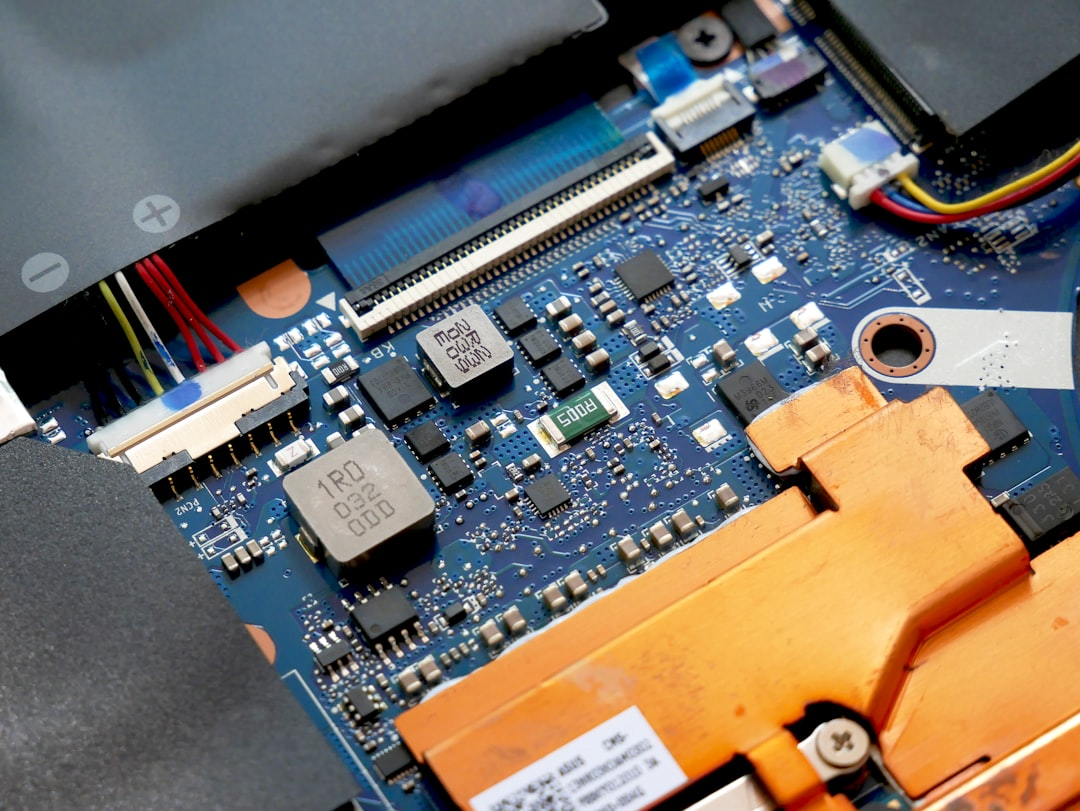
In an era where every toaster, camera, and lightbulb is connected to the internet, the “physical” is no longer separate from the “digital.” While most security professionals focus on cloud APIs and web vulnerabilities, the true gatekeepers of the IoT revolution are the printed circuit boards (PCBs) humming quietly in our homes and critical infrastructure. 🔐
Hardware hacking is the art of peeling back the silicon seal. By interacting directly with a device’s circuitry, researchers can bypass software-defined security, extract sensitive keys, and understand the logic that keeps our world running. In this guide, we will navigate the essential interfaces—JTAG and UART—and explore the methodology behind firmware extraction. Whether you are an IoT security researcher or a curious engineer, understanding these physical attack surfaces is non-negotiable in 2026.
The Anatomy of an Embedded Target
When we pick up a device, we aren’t just looking at plastic and metal; we are looking at a roadmap. Most embedded devices rely on a System-on-Chip (SoC) architecture, where the CPU, memory, and I/O controllers coexist on a single die.
Recent trends from the CISA Cybersecurity Strategic Plan highlight that “secure by design” must include physical tamper-resistance. Many manufacturers still rely on “security through obscurity,” leaving debug ports exposed, which is essentially leaving a digital front door unlocked.
Identifying the Interface
Before you can hack, you must map the terrain. Hardware hackers typically look for specific footprints on a PCB:
- UART (Universal Asynchronous Receiver-Transmitter): Usually a set of 3 or 4 pins (VCC, GND, TX, RX) that provide a serial console.
- JTAG (Joint Test Action Group): A complex set of pins (TDI, TDO, TCK, TMS, TRST) used for boundary-scan testing and advanced CPU debugging.
The UART Gateway: Your Direct Line to the Kernel
UART is often the “low-hanging fruit” of hardware security. Many development boards and commercial products leave UART interfaces active in production, providing a root shell without requiring any authentication. ⚡
How to approach UART:
- Pin Discovery: Use a multimeter to identify Ground (continuity to a metal chassis) and VCC (3.3V or 5V). Use a Logic Analyzer like the Saleae Logic Pro to visualize the data signals on the remaining pins.
- Connection: Use a USB-to-TTL adapter.
- Communication: Use tools like
screenorminicomto connect to the serial stream.
1
2
# Connect to a device at 115200 baud rate
screen /dev/ttyUSB0 115200
Always match the voltage levels of your adapter to the device. Connecting a 5V adapter to a 3.3V logic line can fry the chip instantly!
JTAG: Controlling the CPU’s Soul
If UART is a window, JTAG is the master key. Originally designed for manufacturing testing, JTAG allows you to halt the processor, inspect registers, and read or write directly to memory. When a device has “JTAG Locking” disabled, you can effectively dump the entire flash memory, including encrypted firmware components. 🚀
The Workflow of JTAG Exploitation
- Finding the Pinout: If the pins aren’t labeled, you may need to use a JTAGulator. This tool automatically scans all pin combinations to identify the JTAG interface.
- Bridging the Gap: Use an interface adapter like an Olimex ARM-USB-TINY-H or a Bus Pirate.
- Dumping Firmware: Use OpenOCD (Open On-Chip Debugger) to interface with the chip.
| Feature | UART | JTAG |
|---|---|---|
| Primary Use | Serial Console / Logs | Debugging / Memory Access |
| Complexity | Low | High |
| Access Level | Software Shell | Hardware/Register Level |
| Security Impact | Command execution | Full firmware dump / Debugging |
If you find that JTAG is locked, don’t give up! Look for “Glitching” attacks (Voltage or Clock glitching) to bypass the fuse-bit check that disables JTAG.
Firmware Extraction: The Holy Grail
Once you have established a bridge to the hardware, your goal is to extract the firmware binary. This file is the “operating system” of the device, and once extracted, the real research begins—static analysis.
Methods for Extraction
- In-Circuit Extraction: Using JTAG or SPI (Serial Peripheral Interface) to read the Flash memory chips while still soldered to the board.
- Chip-Off Extraction: Desoldering the Flash chip and placing it into an external programmer (e.g., Xeltek or a simple CH341A programmer). This is the “scorched earth” approach used when the board is too complex for in-circuit debugging.
Be aware of Anti-Tamper mechanisms. Many modern smart meters and high-security devices utilize mesh circuits or light sensors that trigger a “factory reset” or “data wipe” if the casing is opened. Always inspect the enclosure for micro-switches before prying it open.
Key Takeaways
- Mapping is Critical: Spend 80% of your time identifying components, voltages, and pinouts before making a single electrical connection.
- The Power of Open Source: Tools like OpenOCD, Flashrom, and the Bus Pirate are the industry standard—mastering these will make you a proficient hardware researcher.
- Physical Security Matters: If a device has an accessible debug port, it is inherently insecure. Manufacturers must disable JTAG/UART or use secure boot signatures to prevent unauthorized firmware manipulation.
- Static Analysis follows Extraction: Once you have the binary, use Ghidra to reverse engineer the code and find the hidden logic flaws that lead to full-scale exploits.
Conclusion
Hardware hacking is a relentless game of cat and mouse. As manufacturers harden their devices with better encryption and physical tamper-detection, researchers develop new, creative ways to peer into the silicon. By understanding UART, JTAG, and the fundamental process of firmware extraction, you are not just learning how to break devices; you are learning how to build them better.
The next time you look at a circuit board, don’t just see resistors and capacitors—see a story waiting to be told. Keep exploring, keep probing, and always stay curious. The future of security is being written on the board.
—Mr. Xploit 🛡️