Fortifying the Enterprise: The Future of End-to-End Encrypted Messaging
Discover how Signal Protocol is reshaping enterprise messaging. Explore E2EE implementation, metadata protection, and the future of secure business communication.
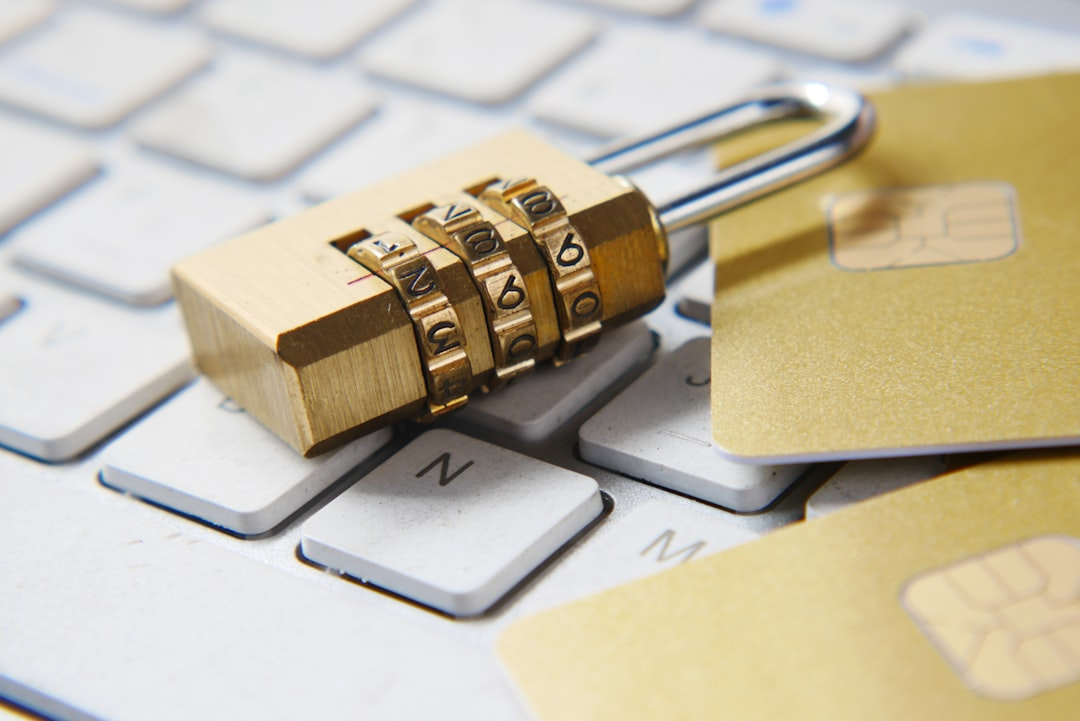
In an era where a single intercepted message can trigger a multi-million dollar data breach, the “trust-by-default” model of legacy business communication is effectively dead. 🔐 Today, enterprise messaging must be as fortress-like as it is fluid, balancing high-speed collaboration with cryptographic certainty.
The Evolution of Enterprise Trust
Modern enterprises are moving away from centralized, server-side storage models toward decentralized, zero-knowledge architectures. Why? Because if the provider doesn’t hold the keys, they cannot be compelled—legally or via breach—to surrender your sensitive trade secrets or intellectual property.
As of 2026, the shift towards End-to-End Encryption (E2EE) is no longer a “nice-to-have” for technical teams; it is a regulatory requirement under frameworks like GDPR, HIPAA, and the evolving SEC disclosure rules. The challenge lies in scaling this security without compromising the intuitive UX that teams demand.
The Signal Protocol: The Gold Standard 🛡️
At the heart of the modern secure messaging revolution is the Signal Protocol. Unlike older, proprietary encryption methods that were prone to vulnerabilities, the Signal Protocol uses a double-ratchet algorithm.
This mechanism provides:
- Forward Secrecy: If a session key is compromised, future messages remain secure.
- Post-Compromise Security: Even if an attacker gains access to the current state, the protocol “heals” itself with every new message exchange.
Think of the double-ratchet like a digital combination lock that changes its own internal tumblers every time you turn the dial. Even if a thief catches a glimpse of the current setting, the lock has already moved to a new configuration before they can strike.
How it looks in practice:
1
2
3
4
5
# Conceptual simplified Signal-style Key Exchange
def derive_next_message_key(root_key, current_chain_key):
    # The ratchet advances with every message
    new_chain_key, message_key = KDF_chain(current_chain_key)
    return encrypt_with_key(message_key, "Sensitive Enterprise Data")
The Metadata Problem: Beyond the Message 📊
While E2EE protects the content of your communications, the metadata—who you talk to, when you talk, and how often—is often ignored. In the intelligence community, metadata is frequently considered more valuable than the actual message.
Recent trends show that enterprises are now adopting “Sealed Sender” and “Metadata Obfuscation” techniques. By minimizing the metadata stored on central servers, companies prevent traffic analysis attacks that could map out internal project hierarchies or identify whistleblowers.
| Feature | Legacy Messaging | E2EE Enterprise |
|---|---|---|
| Server Access | Full Read | None (Zero-Knowledge) |
| Metadata Privacy | High Exposure | Obfuscated/Minimized |
| Compliance | Policy-based | Cryptographic-based |
| Data Recovery | Managed by IT | Client-side only |
Why Metadata Privacy Matters in 2026
If an adversary maps your organization’s communication patterns, they can identify who is working on the “Q3 Acquisition” or which engineer holds the keys to the production environment. This is known as Social Graph Analysis.
Avoid enterprise messaging platforms that boast about E2EE but collect extensive analytics on user interactions. If they know who is talking to whom, the encryption is only solving half the problem.
Implementing Secure Messaging at Scale
Deploying E2EE across a global workforce requires more than just installing an app. It requires a fundamental shift in how employees view data ownership. 🚀
1. Zero-Trust Architecture
Ensure that the identity provider (IdP) is integrated with the messaging client. Use hardware-backed keys (like FIDO2/WebAuthn) to verify user identity before the messaging session is initialized.
2. Ephemeral Policies
Automate message deletion. In many jurisdictions, data that does not exist cannot be subpoenaed. Setting a 24-hour or 7-day auto-delete timer reduces the blast radius of a device theft.
3. Unified Endpoint Management (UEM)
Even with E2EE, if the end-device is compromised by malware, the encryption is bypassed at the screen level. Use UEM tools to isolate the messaging container from the rest of the OS.
Never store encryption keys on the same partition as your OS logs. Use a Trusted Execution Environment (TEE) on the device to handle cryptographic operations.
Key Takeaways for Leaders 💡
- Move to E2EE: Shift away from TLS-only transport security (which only protects data in transit) to client-side encryption (which protects data at rest).
- Minimize Metadata: Audit your chosen platform. Does it retain logs of user connections or contact lists? If yes, it is not truly enterprise-ready for sensitive communications.
- Standardize Protocols: Favor platforms built on open, audited protocols (like Signal or Matrix) over proprietary ones that lack transparent security audits.
- Educate the Workforce: Technology is only as strong as the human. Train employees on the risks of screenshots and social engineering, as these remain the primary “physical” bypasses of encrypted systems.
Conclusion
The future of enterprise communication is private, ephemeral, and cryptographically verified. By leveraging the power of the Signal Protocol and acknowledging the critical importance of metadata privacy, organizations can protect their most valuable asset—their information—from an increasingly hostile digital landscape.
The question is no longer if you should adopt these standards, but how quickly you can pivot your legacy systems to meet the demands of a zero-trust world. Start small, verify everything, and never compromise on the integrity of your keys.
—Mr. Xploit 🛡️