The Silent Grid: Mastering Smart Grid Security in the Age of Hyper-Connectivity
Discover how to secure the modernized smart grid against evolving threats like AMI vulnerabilities and demand response attacks. Protect our energy future.
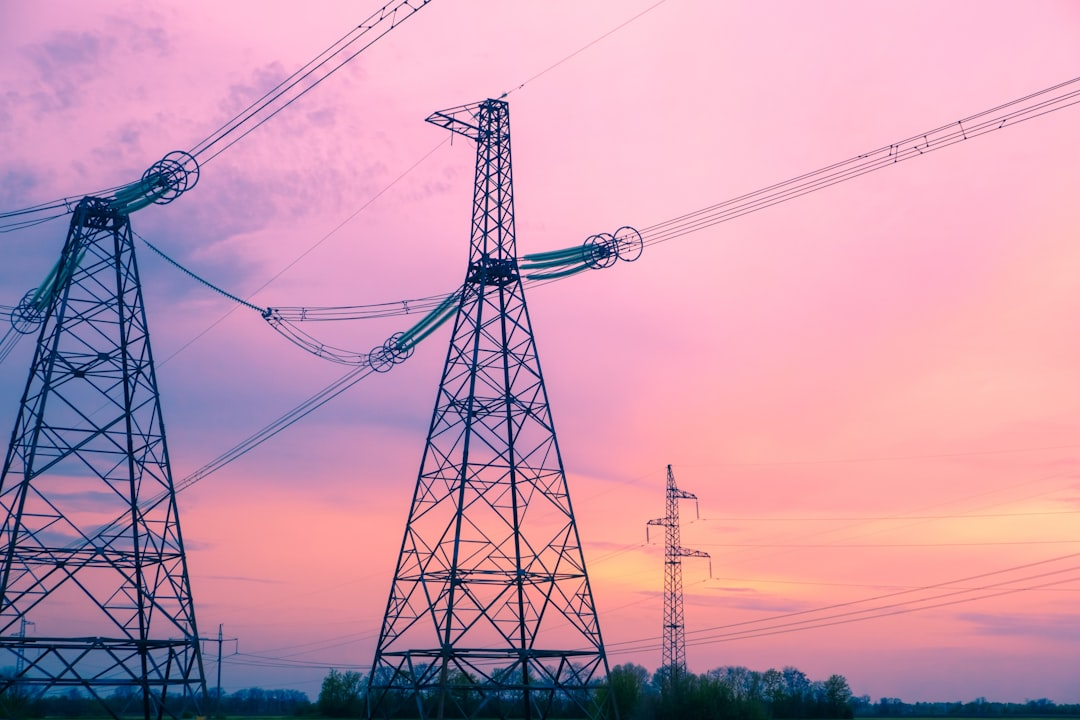
Introduction
Imagine waking up to a world where the morning coffee doesn’t brew, the transit system is paralyzed, and hospitals are scrambling to run on legacy generators. This isn’t the plot of a dystopian thriller; it is the potential reality of a compromised smart grid. As we transition to decentralized energy resources and IoT-integrated utilities, the surface area for cyber-attacks has exploded.
The smart grid is no longer just copper wires and transformers; it is a complex, software-defined nervous system. In this post, we will dissect the anatomy of these modern threats—from Advanced Metering Infrastructure (AMI) loopholes to the dangers of demand response manipulation—and explore the resilient architecture required to keep the lights on in the 2026 threat landscape.
The Fragility of the Last Mile: AMI Vulnerabilities
At the heart of the smart grid lies the Advanced Metering Infrastructure (AMI). These smart meters are the “eyes and ears” of the utility provider, collecting granular data on energy consumption. However, by turning every household into a network-connected node, we have inadvertently introduced millions of potential entry points.
Modern AMI systems often rely on proprietary RF protocols or cellular backhaul. When these endpoints lack robust end-to-end encryption or secure boot mechanisms, they become low-hanging fruit for attackers. A compromised meter isn’t just a privacy concern; it is a gateway into the utility’s wider operations.
Critical Security Issue: Many legacy smart meters are deployed with hardcoded credentials or lack the computational overhead to handle modern TLS/SSL handshake requirements, making them susceptible to Man-in-the-Middle (MitM) attacks.
Theoretical Attack Vector
An attacker could theoretically push malicious firmware updates to a segment of meters, turning them into a massive botnet. This botnet could then be used to perform a synchronized “disconnect” command, causing a localized blackout that cascades through the distribution network.
Manipulating Demand Response: The Invisible Threat
Demand Response (DR) is the crown jewel of grid efficiency—it allows utilities to incentivize consumers to reduce energy usage during peak times. While this balances the load, it also introduces a dangerous logic dependency. If an attacker gains access to the Demand Response Management System (DRMS), they can artificially inflate “peak” signals to force mass shedding, or worse, trigger sudden reconnection spikes that cause physical damage to substation transformers.
| Attack Type | Impact Level | Mitigation Strategy |
|---|---|---|
| Logic Manipulation | High | Behavior-based anomaly detection |
| Data Spoofing | Medium | Digitally signed command verification |
| Unauthorized Access | Critical | Zero Trust Architecture (ZTA) |
Building Cyber Resilience: Beyond Perimeter Defense
In the past, utilities relied on “Air Gapping”—the idea that keeping OT (Operational Technology) separate from IT (Information Technology) was enough. Today, that wall has crumbled. Cloud-native integrations and remote maintenance capabilities have created a “blended” environment.
True grid resilience now requires a shift from Prevention to Containment and Recovery. Following the NIST Cybersecurity Framework 2.0, utility providers are increasingly adopting a “Assume Breach” mentality.
The Zero Trust Approach for Grids
To secure the grid, we must treat every device, from a sensor at a wind farm to a laptop in the control center, as untrusted. Here is a conceptual snippet of how network micro-segmentation is configured to restrict unauthorized inter-device communication:
1
2
3
4
5
6
# Example of ACL configuration for a secure gateway
# Only allowing trusted DRMS servers to reach meter concentrators
permit ip host 10.0.5.20 host 10.0.10.50 eq 8883
deny ip any any log
# Ensuring only encrypted traffic passes through the segment
set crypto-map SECURE_GRID_MAP permit
Pro Tip: Implement “Hardware Security Modules” (HSMs) at the substation level to manage cryptographic keys. This ensures that even if a meter is physically compromised, the keys stored in the HSM cannot be extracted.
The Role of AI and Machine Learning in Defense
By 2026, the volume of telemetry data generated by smart grids will exceed the capacity of human operators to monitor. Artificial Intelligence has become the backbone of grid security. By establishing a “baseline of normalcy”—understanding exactly what a healthy grid looks like—AI can detect micro-deviations that suggest a slow-moving, low-and-slow exfiltration or logic-bomb attempt.
“The grid of the future cannot be defended by static rules. It requires dynamic, self-healing systems that adapt to the adversary’s tactics in real-time.” — Industry Expert Observation
Key Takeaways
- Audit Your Endpoints: Ensure every AMI node is capable of mutual authentication and firmware signing to prevent unauthorized command injection.
- Segment the Network: Move away from flat network architectures. Use micro-segmentation to ensure that a breach in the IoT smart meter layer cannot propagate to the core SCADA systems.
- Validate Demand Response: Implement secondary verification for large-scale load shedding commands. Never allow automated DRMS commands to bypass safety interlocks.
- Invest in Resilience: Shift focus from purely perimeter security to incident response and rapid recovery protocols. Can your grid operate in “island mode” if the primary control center is lost?
- Standardize Security: Adhere to CISA’s Cross-Sector Cybersecurity Performance Goals to maintain industry-standard security posture.
Conclusion
Securing the modernized smart grid is a marathon, not a sprint. As we integrate more renewable energy and smart devices, the complexity will only grow. However, by embracing a Zero Trust mindset, investing in hardware-based security, and leveraging AI for threat detection, we can build a power infrastructure that is not only efficient but fundamentally resilient against the digital threats of tomorrow.
The transition to a smart grid is inevitable. Let’s ensure that the power it brings is controlled, stable, and—above all—secure.
—Mr. Xploit 🛡️